
Brazil is famous for many things. Carnival. Samba. Futbol. Christ the Redeemer. But for many outside of this South American nation, black history is not one of those claims to fame.
Afro-Brazilians, however, are working to change that. This large and diverse country is home to the largest population of people of African descent outside of Africa. Historians estimate over 5 million enslaved Africans arrived in Brazil during the Transatlantic Slave Trade, more than any other country in the Americas.
The story of Black history in Brazil is one of resilience, resistance, creativity, spirituality, and profound cultural influence. From samba and sacred traditions to historic neighborhoods and powerful community movements, Afro-Brazilian heritage shapes the very identity of the country.
If you’re planning a trip to Brazil and want to deepen your understanding of the country’s rich African heritage, here are seven meaningful ways to connect with Black history in Brazil.
1. Tour Rio de Janeiro’s Little Africa

If you’re looking to dive into Rio de Janeiro’s African history, the Little Africa neighborhood is the place to start. Located in Rio’s old port area, this is where millions of enslaved Africans first arrived in Brazil.
In 2011, the ruins of UNESCO World Heritage site, Valongo Wharf, were excavated and opened to the public. Approximately 900,000 enslaved Africans arrived here after the long, perilous journey across the Atlantic Ocean.
Out of struggle and strife, Afro-Brazilians reclaimed this area as a site of joy and resistance. The samba rhythms and Carnival traditions Brazil are so famous for were born in this very neighborhood.
Take a Black history focused walking tour to learn more about powerful stories of survival and cultural preservation. Highlights include:
- Pedra do Sal – A historic gathering place for samba and Afro-Brazilian culture.
- Instituto dos Pretos Novos (New Blacks Museum) – Built over a former slave burial ground, this memorial preserves the memory of newly arrived Africans who did not survive captivity.
- Museum of Afro-Brazilian History and Culture (MUHCAB) – Preserves and celebrates the culture and contributions of Afro-Brazilians via historical artifacts and art.
2. Explore Pelourinho in Salvador de Bahia

Pelourinho, the UNESCO-listed historic city center of Salvador, is a living monument to Afro-Brazilian resistance and resilience. Music, capoeira, and drumming groups like Olodum keep African traditions alive in the streets. Walking through Pelourinho is stepping directly into the layered history of Black history in Brazil.
Salvador de Bahia was Brazil’s first colonial capital and a central hub of the Transatlantic Slave Trade. Pelourinho, which means whipping post in Portuguese, was at its center. Today, the city is considered the heart of Afro-Brazilian identity.
Embark on a walking tour to learn more about Pelourinho’s rich history, from slavery and African spirituality to capoeira and its roots in resistance. Have a pop culture moment and stand on the same balcony where Michael Jackson filmed the music video for “They Don’t Care About Us.”
Gain a deeper understanding of Salvador’s African heritage, both past and present at the National Museum of Afro-Brazilian Culture (MUNCAB) and the Afro-Brazilian Museum (MAFRO).
3. Savor West African flavors in Salvador

Food is one of the most delicious ways to explore Black history in Brazil. In Salvador, West African culinary traditions are alive in everyday dishes.
Join a local cooking class or guided food tour to understand the origins and symbolism behind iconic dishes like moqueca and acarajé. Moqueca is a seafood stew made with coconut milk and dendê (palm oil), two staples of West African cuisine.
Acarajé is a black-eyed pea fritter, fried in dendê oil and stuffed with vatapá and shrimp. This sandwich-like snack is a direct descendent of akara, a Nigerian fritter. Acarajé vendors are Baiana women who wear traditional garments, reflecting their connection to Afro-Brazilian spirituality and heritage. Every bite carries history.
4. Take a Black History Walk in São Paulo

Did you know that Brazil’s largest city also holds deep Afro-Brazilian roots? São Paulo, the country’s financial hub, is home to its largest number of black residents. And it deserves a spot on your Brazil itinerary!
Discover the city’s often overlooked black history on the Black São Paulo Walk by organized by La Guia Negro. This powerful walking tour starts at the Liberdade market, exploring the demographic shifts in this popular neighborhood. Over the course of three hours, you’ll visit a number of historic sites and learn about important Afro-Brazilians, like writer Carolina Maria de Jesus and lawyer and journalist Luiz Gama.
The experience reframes the city through the lens of Afro-Brazilian contributions, both historical and contemporary, providing an essential perspective for understanding modern day Black history in Brazil.
5. Listen to Samba live at its Birthplace in Rio

To truly feel samba, you have to experience it where it was born.
Pedra do Sal is located in Rio de Janeiro’s Little Africa neighborhood. In centuries past, salt and enslaved people were unloaded from ships arriving at the nearby port. Its proximity to the slave market gave rise to the area’s black community and samba was born.
Afro-Brazilians musicians keep the tradition alive, gathering in a samba circle (roda) every Monday and Friday night. The music traces its roots directly to African rhythms brought during slavery and preserved by Afro-Brazilian communities. It’s not just a concert—it’s cultural continuity in action.
Go to this free open air party and you’ll find locals singing, dancing, and celebrating a tradition that has shaped Brazil’s national identity.
6. Visit a Quilombo in Bahia
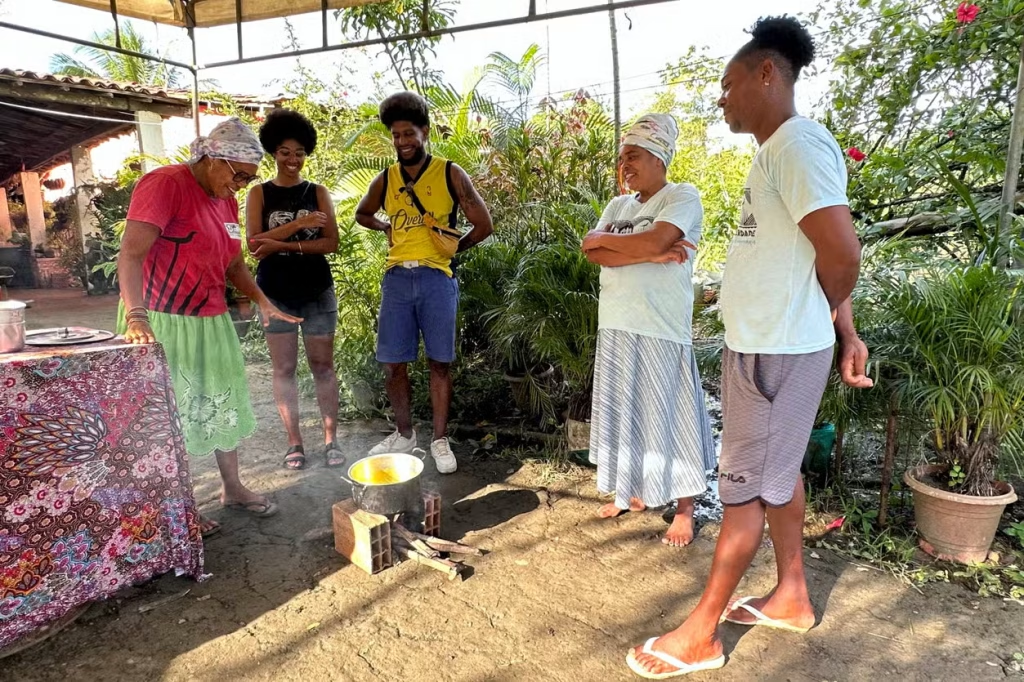
Quilombos are communities founded by formerly enslaved Africans who escaped plantations. These settlements were hidden in mountainside forests and became symbols of resistance and autonomy. One of the most famous was Quilombo dos Palmares, led by the legendary freedom fighter, Zumbi dos Palmares. The settlement thrived for almost 100 years, from 1605 to 1695, despite attacks from Europeans.
These communities persist today, with some, like Quilombo Kaonge in Bahia, even offering tours. Their residents preserve ancestral traditions, farming practices, and spiritual customs. Visiting a quilombo offers a profound look at resilience and community-driven survival.
7. Learn About Candomblé at the Boa Morte Festival

Afro-Brazilian spirituality is central to understanding Black history in Brazil. In the town of Cachoeira, located the annual Boa Morte Festival is organized by the Irmandade da Boa Morte (Sisterhood of Good Death), a historic Black Catholic sisterhood with deep ties to Candomblé.
The festival blends Catholic and African spiritual traditions, showcasing ceremonial processions, traditional dress, sacred rituals, and community celebrations. It’s a powerful reminder of how African beliefs survived and adapted despite centuries of oppression.

Plan your trip to Brazil
Exploring Black history in Brazil goes far beyond museums. It lives in music, food, faith, neighborhoods, and community traditions. Whether you’re walking through Little Africa in Rio, tasting acarajé in Salvador, or learning about resistance in São Paulo, you’ll gain a deeper appreciation for how Afro-Brazilian history continues to shape the country’s culture today.
Brazil’s story is incomplete without Black history, and discovering it firsthand is one of the most meaningful travel experiences you can have.
Join Booked by Iman on a group trip to Brazil this August or contact me to book your own private trip.

Excellent piece!
Thank you! Glad you enjoyed it.